
Start Invisalign Now or Wait Until January? How Timing, Benefits, and Holiday Photos Fit In
The holidays make a lot of people pause. Schedules are packed, photos are on the calendar, and looking and feeling your best is a top priority. If you are weighing Glen Allen Invisalign, the right start date depends on a few specific factors, not a single rule.
It helps to know what actually changes in January, and how Invisalign® fits your schedule and budget.
A Timeline Reality Check
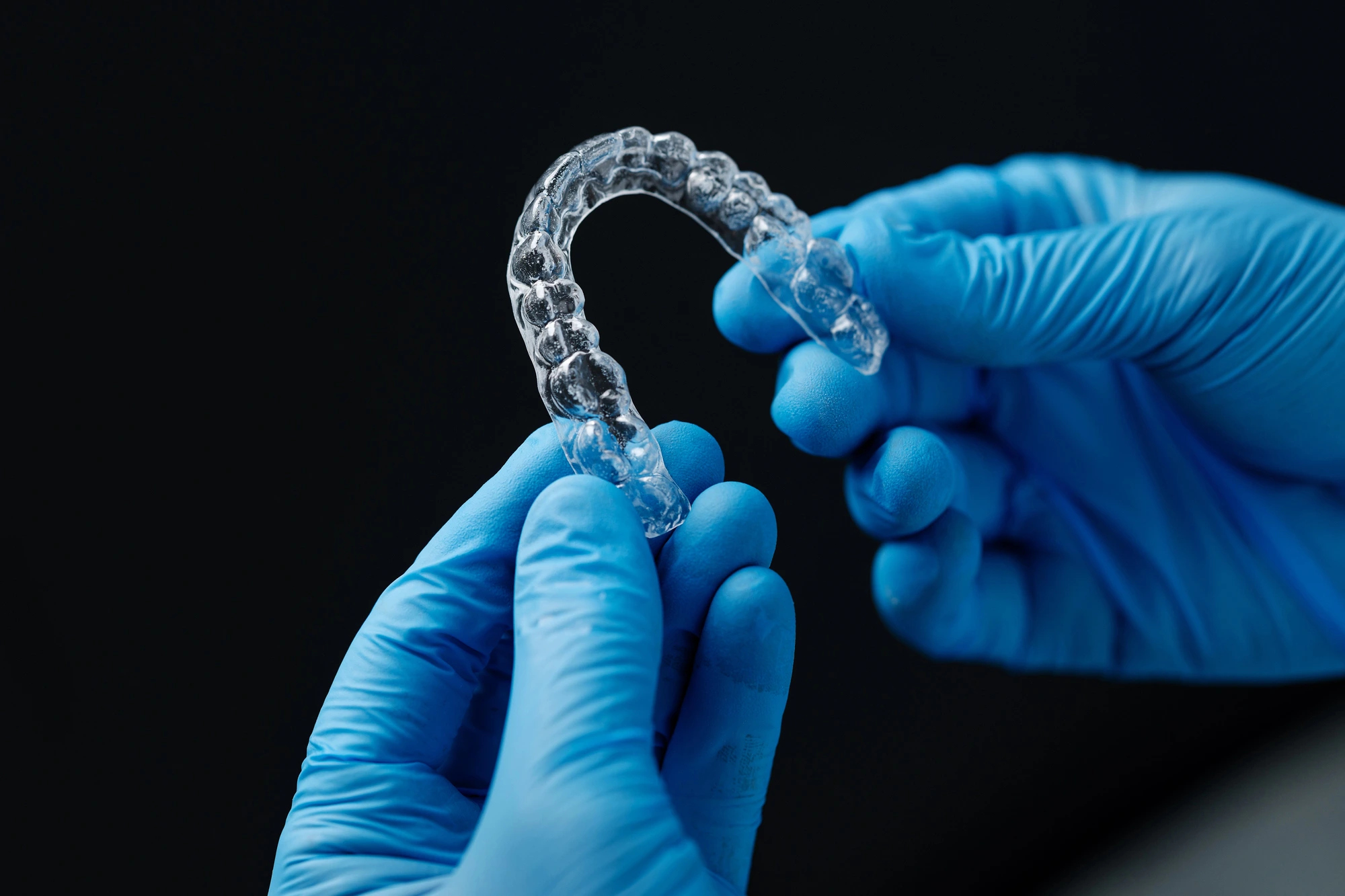
A few weeks either way matters less than it seems. Invisalign reports that the average treatment time is 12 to 18 months. Each aligner is typically worn for one to two weeks, for about 20 to 22 hours a day, and removed only for eating, drinking anything other than water, and cleaning.
Insurance: What Actually Resets in January
A new year does not bring a fresh set of everything:
- Annual maximums for routine care usually reset each plan year
- Orthodontic benefits more often carry a lifetime maximum that does not reset
- Many plans have waiting periods before orthodontic coverage begins
- Some plans limit orthodontic coverage to children
- Plans that cover orthodontics often treat Invisalign the same way they treat braces
Waiting for January does not always add benefits. Check your plan's orthodontic terms first, and ask your dental office to help verify them. Reviewing the available financial options can also clarify what you would pay.
FSA and HSA: A Year-End Opportunity
Many flexible spending accounts are "use it or lose it," while health savings account funds roll over from year to year. Medical expenses include dental treatment, including braces.
Clear aligners are orthodontic treatment, but your plan administrator decides what is eligible. Care is generally counted when it is provided, so ask how initial payments are handled.
Holiday Photos and Events
Aligners are removable, so many people take them out for photos. Small tooth-colored attachments, which help the aligners guide your teeth, may be visible up close, and your speech may take a few days to adjust to each new set.
A digital preview of your plan, based on digital scanning, can help you picture what to expect.
Start Now or Wait?
A few common situations point in different directions:
- Start now if you have FSA dollars to use, a plan that already covers orthodontics, and no major event in the next few weeks
- Consider waiting if your waiting period or coverage begins in January, or if a wedding or other major event is imminent
- Either way, a consultation lets you plan without committing, so you know your options
What the First Visit Looks Like
A first visit typically includes an evaluation, digital scans or imaging, and a conversation about your goals and budget. If you are new to an office, your first visit is a good time to ask about timing.
Frequently Asked Questions
Does insurance reset in January for Invisalign?
Annual maximums usually do, but orthodontic benefits typically have a lifetime maximum instead. Check your plan's orthodontic terms to see what applies to you.
Can I take my aligners out for photos?
Yes. Just remember that aligners work best when worn about 20 to 22 hours a day, so keep the time out short.
When will I see results?
It varies from person to person. Each aligner is worn for one to two weeks, and treatment typically takes many months.
Ready for Glen Allen Invisalign? Start Your Smile Plan Before the New Year
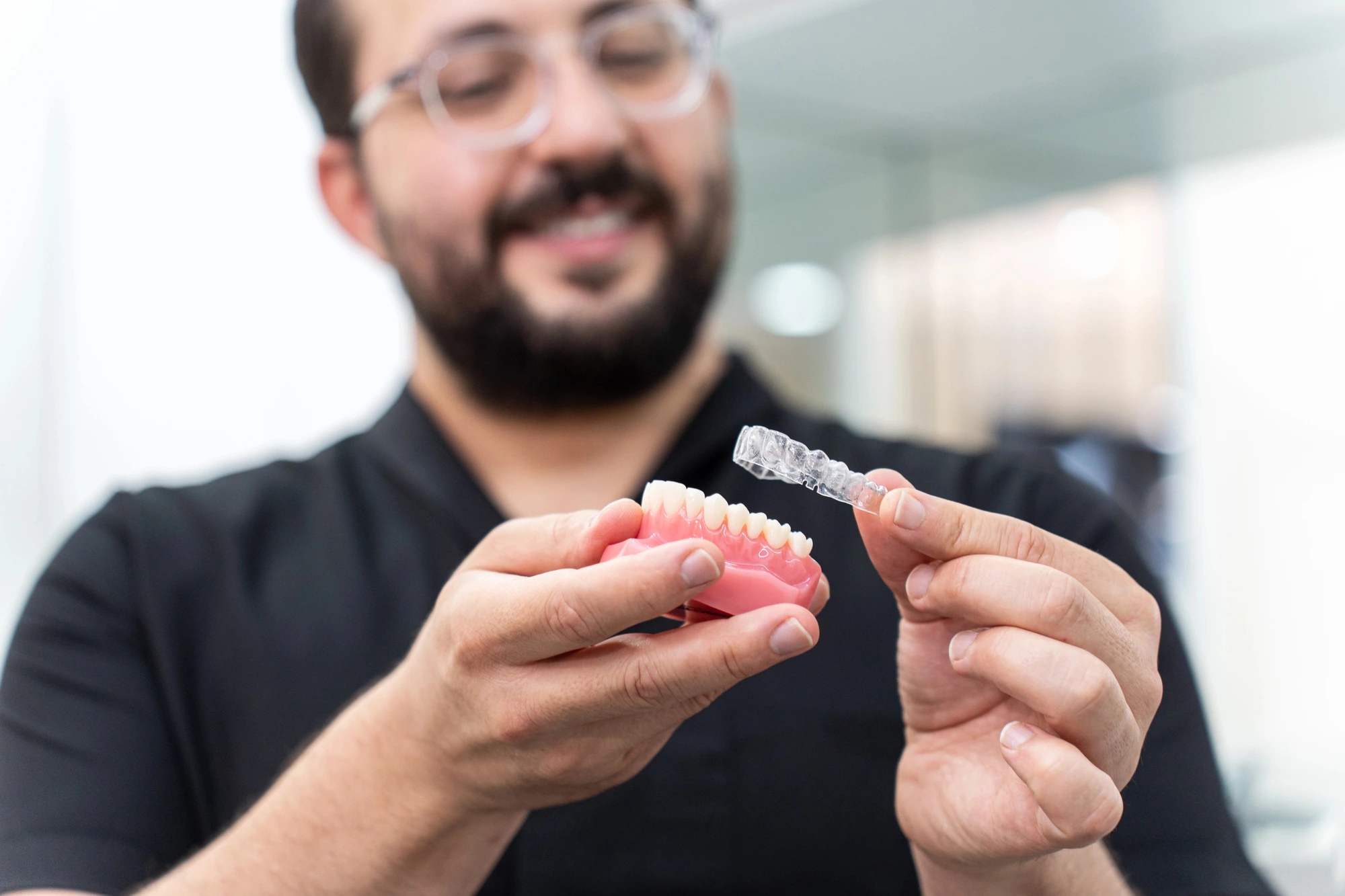
Our team at John J. Andre, DDS & Associates will evaluate your smile, explain your options, and help you understand how financing and benefits fit your plan. Schedule your consultation today!
*Invisalign®, the Invisalign logo, and iTero®, among others, are trademarks and/ or service marks of Align Technology, Inc. or one of its subsidiaries or affiliated companies and may be registered in the U.S. and/or other countries.